
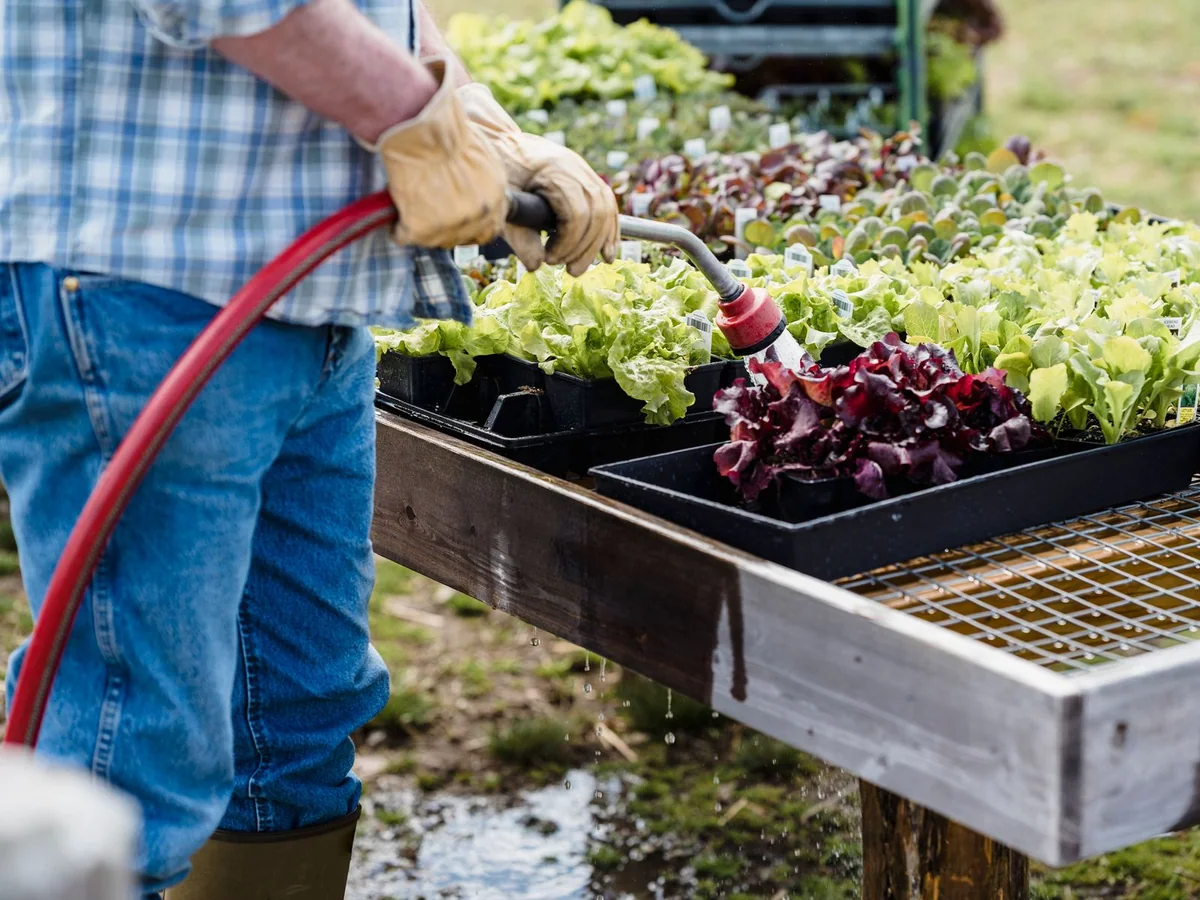
A beginner plan for selecting, filling, and placing a raised bed for herbs and easy kitchen crops. This guide is written for new gardeners growing herbs and small vegetables on a patio, balcony, or yard and focuses on set up a manageable raised bed that can produce useful harvests. Product categories are compared by fit and tradeoff rather than a made-up test score.
Quick answer
Choose a bed that is at least 10 inches deep for most herbs, with a width that lets you reach the center. Place it where the plants get the sunlight they need and where you can reach a water source without dragging a hose through the house.
Product categories to compare
These categories reflect the most important product differences for this decision. Use the retailer searches to compare current stock, dimensions, care instructions, and warranty terms.
Best overall
cedar raised garden bed
- Best for
- yards with good drainage and a sunny location
- Look for
- Untreated rot-resistant wood, reinforced corners, and a reachable width.
- Tradeoff
- Wood can weather and may need periodic inspection.
Best for tighter spaces
metal raised bed with rolled edges
- Best for
- patios and yards where a clean, long-lasting frame is preferred
- Look for
- A safe edge, powder-coat finish, and open bottom or drainage panels.
- Tradeoff
- Metal can heat up in strong sun.
Best value-minded choice
self-watering raised planter
- Best for
- balconies and small patios with limited watering access
- Look for
- A reservoir, overflow protection, and a depth suitable for the selected herbs.
- Tradeoff
- Reservoirs require monitoring and can attract mosquitoes if exposed.
Choose the Right Size and Depth
A 4-by-8-foot bed is a common starting point, but a 2-by-4-foot bed is easier for a beginner. Keep the width under 4 feet if you need to reach both sides. Root crops need more depth than leafy herbs, so match the bed to the crop. A framed bed on a patio may need a liner and drainage planning to protect the surface below.
Find the Light and Water
Track sunlight before positioning the bed. Mediterranean herbs such as rosemary, thyme, and oregano generally need full sun, while mint and parsley can tolerate more shade. Place the bed near a spigot or rain barrel. A drip line or soaker hose reduces hand watering and keeps foliage drier.
Fill with the Right Mix
Use a raised-bed or container mix rather than digging native soil into a small frame. Follow the product instructions and consider compost or slow-release organic matter. Do not overfill the bed; leave a few inches of freeboard for watering and mulch. Test drainage before planting by watering the empty bed and watching how quickly it settles.
Plant, Mulch, and Maintain
Start with a few easy crops rather than every herb at once. Label the plants and keep a simple watering log. Mulch to reduce evaporation, but keep it away from stems. Harvest regularly to encourage growth, and inspect the underside of leaves for pests. A raised bed is a small system; a few minutes of attention each week is more useful than a burst of work at the end of the season.
Frequently asked questions
How deep should a raised bed be for herbs?
Many herbs grow well in 10 to 12 inches of soil. Deep-rooted crops need more, so check the specific plant's requirements.
Can I put a raised bed on a balcony?
Only if the building allows it and the structure can support the weight of soil, water, and plants. A lightweight container may be a safer alternative.
What soil should I use?
Use a mix formulated for raised beds or containers. Avoid filling a small bed with dense native soil alone.
What to do next
Write down the room dimensions, the items that must fit, and the maintenance you are willing to repeat before choosing a product. The best purchase is the one that fits the space and the household routine, not merely the one with the longest feature list.