
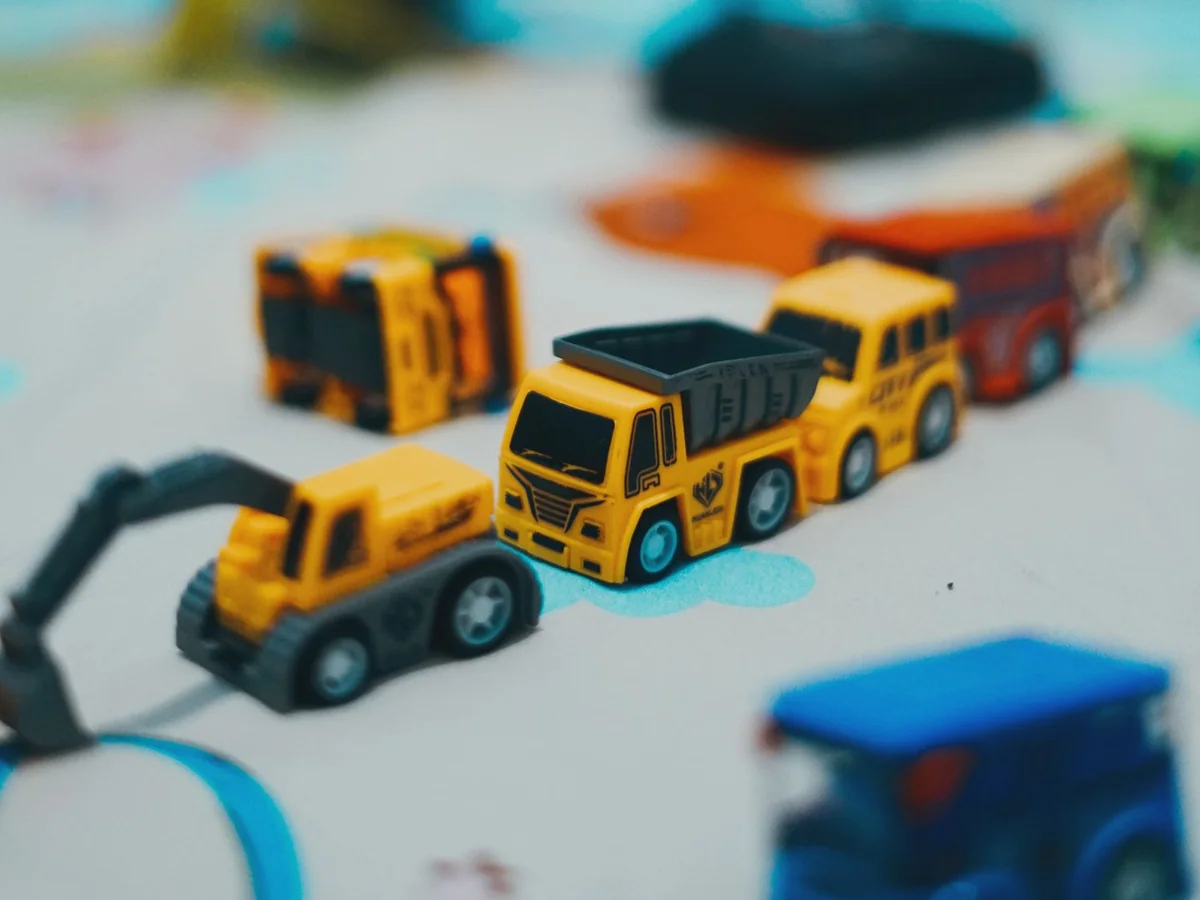
A child-height storage plan that makes cleanup easier to start, finish, and repeat without hiding every toy behind a lid. This guide is written for families trying to contain toys in a living room, playroom, or bedroom and focuses on make the cleanup routine obvious to children and manageable for adults. Product categories are compared by fit and tradeoff rather than a made-up test score.
Quick answer
Choose open bins with picture labels and one clear home per toy category. Keep heavy or dangerous items out of reach, but put everyday toys at child height so cleanup does not require an adult.
Product categories to compare
These categories reflect the most important product differences for this decision. Use the retailer searches to compare current stock, dimensions, care instructions, and warranty terms.
Best overall
open child-height toy bins
- Best for
- playrooms and family living spaces
- Look for
- A low front, washable material, and labels children can see.
- Tradeoff
- Open bins can look cluttered in a shared room.
Best for tighter spaces
rolling toy cart
- Best for
- small spaces that switch between play and adult use
- Look for
- Locking casters, a stable frame, and bins that can be removed separately.
- Tradeoff
- Wheels can mark soft floors.
Best value-minded choice
picture-label storage set
- Best for
- toddlers and early readers
- Look for
- Large simple icons, durable labels, and a manageable bin weight.
- Tradeoff
- Labels need updating as interests change.
Sort by Play Pattern
Group toys by the way children use them: building, pretend play, art, puzzles, and outdoor items. A category should contain enough pieces to make a complete activity. If a bin is too full to close or too heavy to carry, the category is too broad. Keep a small basket for current favorites and rotate the rest.
Make the Bin Findable
Use open-front bins at child height and add a simple picture or color label. Clear bins show contents but can look busy; opaque bins hide mess but make searching harder. A low shelf on wheels can move to the play area and back. Avoid a lid that requires adult strength.

Create a Five-Minute Reset
At the end of play, ask for one category at a time rather than a general clean-up. Use a timer or song for younger children and make the last step visual: bin closed, floor path clear, art tray stacked. Praise the process, not just a perfect room.
Review and Rotate
Every season, remove broken pieces, donations, and toys that are no longer developmentally useful. Keep a small donation box in the storage area, but empty it regularly. A toy system should shrink when interests change, not permanently expand.
Frequently asked questions
How many toy bins are too many?
If a child cannot remember where most items belong, there are too many categories. Start with five or six broad groups and adjust.
Should toys be stored in a bedroom or playroom?
Use the room where play happens most. A small subset in the bedroom is fine, but keeping every toy there can interfere with sleep.
How do I stop toy storage from taking over the living room?
Use a rolling cart or a closed cabinet and set a daily reset limit. Rotate toys instead of adding more bins.
What to do next
Write down the room dimensions, the items that must fit, and the maintenance you are willing to repeat before choosing a product. The best purchase is the one that fits the space and the household routine, not merely the one with the longest feature list.