
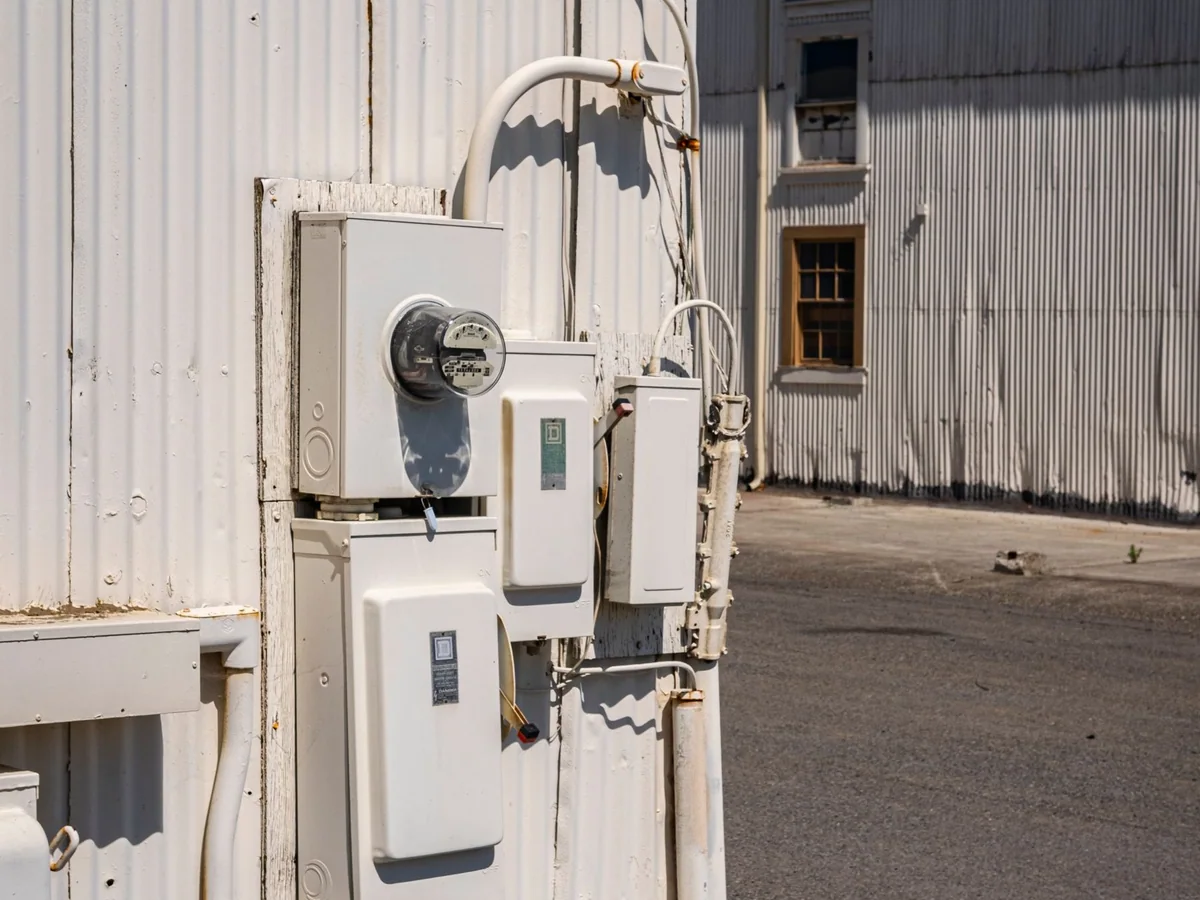
How whole-home and point-of-use surge protection differ, what they can protect, and when to call an electrician. This guide is written for homeowners protecting computers, appliances, entertainment equipment, and smart devices and focuses on understand surge protection layers and avoid relying on one power strip. Product categories are compared by fit and tradeoff rather than a made-up test score.
Quick answer
Whole-home surge protection is installed at the electrical panel and reduces surges from outside the home. Point-of-use protectors still matter for sensitive electronics and should be replaced after a major event.
Product categories to compare
These categories reflect the most important product differences for this decision. Use the retailer searches to compare current stock, dimensions, care instructions, and warranty terms.
Best overall
whole-home surge protective device
- Best for
- panel-level protection installed by an electrician
- Look for
- Correct voltage, clear indicator lights, proper grounding, and a service warranty.
- Tradeoff
- It does not replace individual protectors for sensitive devices.
Best for tighter spaces
point-of-use surge protector
- Best for
- computers, televisions, and home-office equipment
- Look for
- A clear joule rating, protected indicator, and enough spaced outlets for adapters.
- Tradeoff
- Joule ratings are not directly comparable across brands.
Best value-minded choice
uninterruptible power supply
- Best for
- computers and network equipment that need shutdown time
- Look for
- Battery capacity, surge rating, and replaceable batteries.
- Tradeoff
- Batteries need replacement every few years.
Understand the Two Layers
A whole-home device at the service panel can reduce large surges from the utility or nearby lightning, but it does not eliminate every risk inside the house. Point-of-use protectors handle smaller surges and protect sensitive devices close to the outlet. Use both when possible. No protector can guarantee protection against a direct lightning strike.
Choose a Point-of-Use Protector
Look for a clamping voltage, joule rating, and connected-equipment warranty that are clearly explained. A power strip without surge protection is only an extension cord. Protect network, coaxial, and phone lines if the equipment uses them, and keep the protector's cables organized so they do not pull on ports.

Plan the Panel Installation
A whole-home protector should be installed by a qualified electrician who can assess the panel, grounding, and breaker space. Confirm the product is compatible with the electrical system and local code. Ask about indicator lights and replacement parts. Keep the installation record with the home maintenance file.
Maintain and Replace
A surge protector may continue to pass power after it has absorbed a surge but no longer protect equipment. Check the status indicator after storms or outages. Replace point-of-use protectors as directed. Use a UPS for equipment that needs time to shut down safely, but remember that battery backup is separate from surge protection.
Frequently asked questions
Does a whole-home surge protector protect against lightning?
It can reduce the risk from some surges, but no system can guarantee protection from a direct strike. Follow local code and use point-of-use protection as well.
How long does a surge protector last?
It depends on exposure and design. Check the indicator light and replace the device after a major surge or when the manufacturer recommends it.
Can I install a whole-home surge protector myself?
Panel work involves high voltage and should be performed by a licensed electrician. The installer must also verify grounding and code compliance.
What to do next
Write down the room dimensions, the items that must fit, and the maintenance you are willing to repeat before choosing a product. The best purchase is the one that fits the space and the household routine, not merely the one with the longest feature list.